

Introduction Local search optimization in India helps small businesses rank higher in Google Maps results. With the right local optimization strategy, businesses across India can compete for top positions in local search results. How to Improve Local SEO in India for Google Maps Rankings: Step 1. Optimize Your Google Business Profile Your Google Business Profile must include: A fully optimized profile strengthens your Local SEO in India performance. Step 2. Use Local Keywords in Website Content Add city-specific keywords naturally in: For example: “SEO services in Gurgaon” instead of just “SEO services.” This improves Local marketing strategy in India visibility. Step 3. Collect and Respond to Reviews Customer reviews directly impact your local search visibility and Google Maps rankings. To improve your presence: Regular review management strengthens trust, credibility, and local rankings. Step 4. Build Local Citations List your business on trusted Indian directories like: Ensure your business details are consistent across all platforms. Step 5. Create Local Content to Boost Local SEO in India Creating location-focused content strengthens your Local SEO in India strategy. Google prioritizes businesses that show clear local relevance. Publish blogs about: Hyper-local content helps your business rank higher in Google Maps and local search results. Conclusion Local search optimization in India is not optional for small businesses. It is essential for dominating Google Maps and attracting nearby customers. By optimizing your profile, using local keywords, and building trust signals, you can significantly improve local visibility and increase leads. Marketella helps small businesses implement effective Local SEO in India strategies to rank higher and grow faster.
Continue Reading
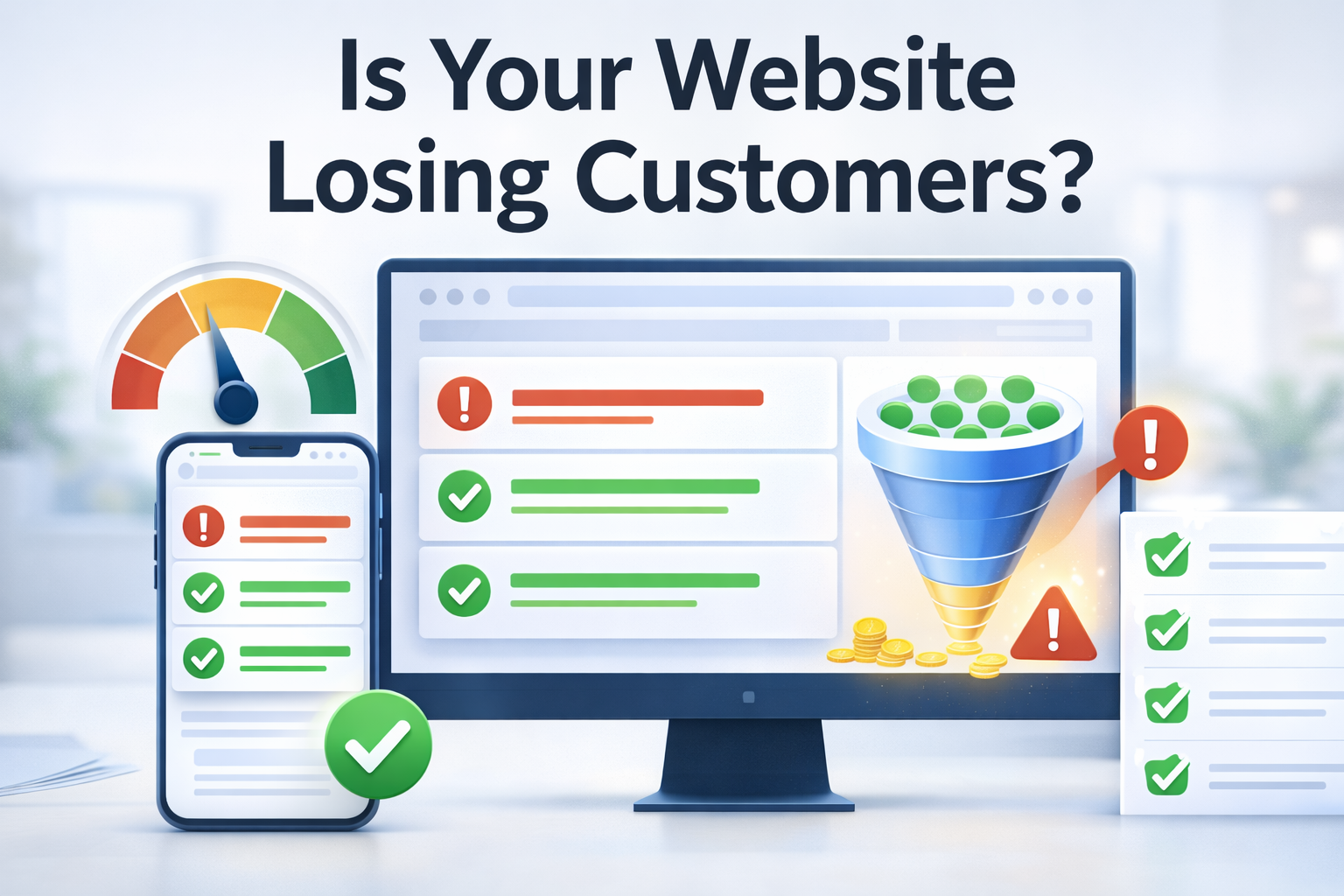
Introduction If you want to improve website conversion rate, you must identify what is stopping visitors from taking action. Many businesses invest in traffic but fail to convert that traffic into leads or sales. The problem is usually not the marketing. It is the website experience. This website optimisation checklist will help you improve website conversion rate by fixing the most common issues that reduce trust, engagement, and user action. 1. Slow Loading Speed If your site takes more than 3 seconds to load, visitors leave. 2. Poor Mobile Experience Over 70% of users browse on mobile. 3. No Clear Call-To-Action Every page must guide users. 4. Weak Headlines Your headline must immediately explain value. 5. Complicated Navigation Keep menus simple. 6. No Trust Signals Add testimonials, reviews, certifications. 7. No Contact Information Make it easy to reach you. 8. Long Forms Shorten forms to increase leads. 9. No Landing Pages Dedicated landing pages convert better. 10. Poor Visual Hierarchy Guide users’ eyes strategically. 11. No Social Proof Display client logos. 12. No FAQs Answer objections directly. 13. Generic Content Be specific about benefits. 14. No Analytics Tracking You can’t improve what you don’t measure. 15. No A/B Testing Test headlines, buttons, and layouts. Conclusion Following a structured website optimisation checklist ensures your site converts traffic into measurable business growth.
Continue Reading